If we take a closer look at facts, we can see that many socio-political crises exploded in summer. Take for example the invasion of Czechoslovakia in 1968 or the war in Georgia in 2008, could it be because everyone is letting their guard down for the summer and is busy traveling?
But more recently, France itself offered a striking illustration. In early summer 2024, the agricultural sector was in open revolt: farmers had been blocking roads and motorways for weeks, deeply unhappy with European regulations and falling income. Then came Macron’s dissolution of the National Assembly on June 9th of 2024. Just a few days before the opening of the Paris Olympic Games, the President took a decision that destabilized the whole country. Yet when the Paris Olympic Games opened, something shifted. The strikes faded into the background, and French citizens found themselves united, cheering for their country, the political tension temporarily buried under a wave of national pride, a reminder that major sporting events can serve as powerful tools of national cohesion and convenient political cover.
Culture as a Weapon of Influence
Summer is also a big period of entertainment, which also means in political terms: soft power. Cannes Festival, the Eurovision, and the Olympic Games are important tools of soft power as they allow countries to establish a foothold on the international stage and project their image to shape global perceptions.
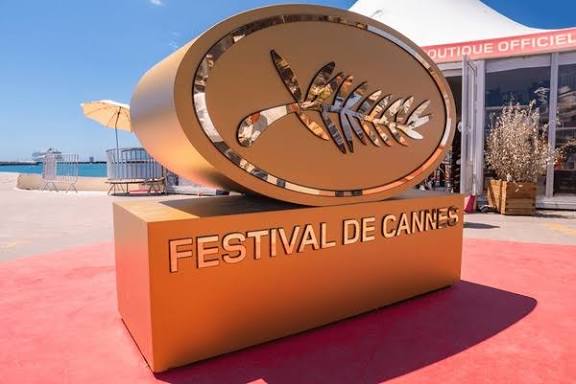
Take for example the Cannes Film Festival, from its very beginning, the festival was conceived as a cultural and diplomatic tool for French strategy. Cannes 2026 was the perfect stage for Gulf countries such as Saudi Arabia, Qatar and the UAE to mark their place in the world movie industry. Nearly everywhere you turned on the French Riviera, there were signs, often literal ones of their massive offensive: a three-storey banner advertising Riyadh’s Jax Film Studios and red-carpet events at the most prestigious hotels in Cannes. Qatar alone financed 13 films at this year’s festival, including three in the main competition. The message is clear: the red-carpet has become a geopolitical battleground, and these countries are not hiding it. Even though none of the Gulf States’ films won awards at the 2026 edition of the Cannes Festival, it is the visibility they gained through it that matters.
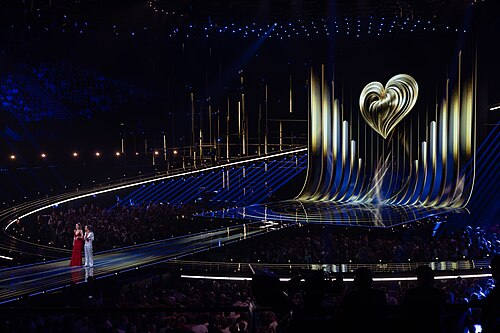
And not to forget the famous Eurovision, a European musical contest that takes place every year in May, hosted by the previous winner of the competition. For some countries it is the only place for them to perform that do not normally stage large-scale events. It is a chance for each country, regardless of their size, economic power or geopolitical influence, to show who they are and their culture through music. Estonia, for instance, hosted the contest in 2002, two years before joining the EU, using the competition as a platform to assert its European identity long before it was formally recognized as part of the EU. This year’s edition, which took place in Vienna is the perfect example of countries’ strategic soft power as five countries have decided to boycott the contest and withdraw from the competition, Spain, Ireland, the Netherlands, Slovenia and Iceland. All of them pulled out over Israel’s inclusion, showing their support to Palestine like Slovenia which has specially created a documentary called “Voices of Palestine”. Israel’s participation has long been criticized, but Eurovision organizers argued that Israel « deserves to be represented on every stage. » He described Israel’s participation as a vital demonstration of « solidarity, fellowship, and cooperation. » The boycott shows the political meaning behind a cultural event and the division of Europe regarding the Israeli Palestinian case.