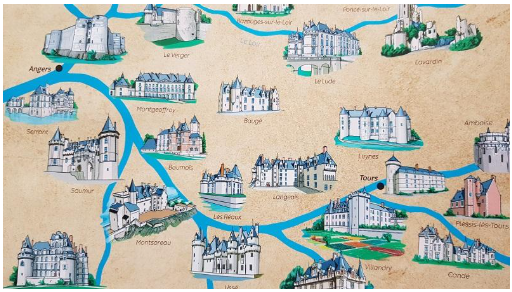
You thought Paris was the best French destination for a trip with your lover, but that was before knowing about the beauty of the Val de Loire. Known as the « Garden of France », this region was the primary residence of the Kings of France during the Renaissance. With approximately 3,000 châteaux, including eleven royal ones, the area offers a unique glimpse into the country’s prestigious past.
The presence of the monarchy in this region was born from necessity. During the Hundred Years’ War against England, the French kings, including Charles VI, were exiled from Paris and sought refuge in the fortresses along the Loire. What started as medieval defensive structures eventually evolved into magnificent residences as the court decided to stay in the area after the war. Under the influence of King François I, the French Renaissance flourished, bringing Italian art and geniuses like Leonardo da Vinci to the region, making it today a UNESCO World Heritage site.
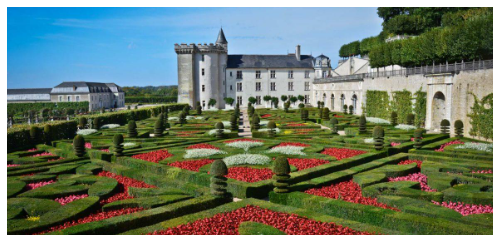
Centuries have passed, royalty and nobility have faded, and titles have slowly disappeared since our revolution in 1789, leaving the castles unattended, to become private property. Many were saved from destruction by passionate families, such as the Carvallo family, who restored the stunning gardens of the Château de Villandry in the early 20th century. While some are managed by the Centre des Monuments Nationaux (National Monuments Center), private ownership has allowed for the meticulous restoration of many edifices, saving them from falling into ruin and preserving an important part of French history and culture.
Château de Villandry
The castles in the region are full of historical “fun facts”, for example, the Château de Chinon is known for hosting a meeting between Joan of Arc and the Dauphin of France, or the Château Clos Lucé, which was the final residence of Leonardo da Vinci. Some are famous and largely visited by tourists, like the Château de Villandry and the Château d’Amboise. Others, less known, are full of surprises and history, such as the case of the Château La Rivière which, after being a castle and then the home of five of the richest families in France, became a girl’s high school during the second world war.
Château La Rivière
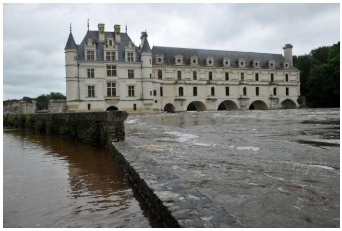
While these monuments have stood for centuries, they face a new challenge in 2025. This rich heritage is increasingly endangered by climate change. Heavy rainfall and fluctuating water levels of the Loire and its tributaries (like Cher)—such as at Chenonceau and Azay-le-Rideau—pose a significant threat by potentially weakening the foundations of these architectural masterpieces. Managers are now « navigating by sight » to protect these treasures from environmental damage.
Château de Chenonceau
Today, the Châteaux de la Loire attract nearly 4.5 million tourists every year. Whether you visit the world-famous Chambord or the more intimate Chaumont-sur-Loire, you will find yourself immersed in « living history ». Even though the kings eventually moved their main residences to places like Versailles and Fontainebleau, the Loire remains the heart of French Renaissance history.