Today, Easter stands as one of the most commercialized celebrations in the world, alongside Christmas and Halloween. In part shaped by the cultural influence of the United States, the holiday has gradually shed much of its religious meaning for a large portion of the population, evolving instead into a festive occasion celebrated by all.
In France, however, Easter retains a unique status. It is a national holiday, and as it always falls on a Sunday, the following Monday, known as Lundi de Pâques, offers families a much-appreciated three-day weekend. This extended pause in the calendar provides the perfect opportunity to reconnect, travel, or simply enjoy the arrival of spring together.
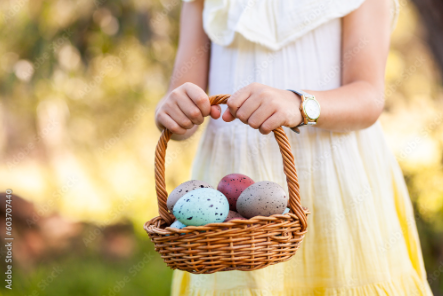
One of the most distinctive French traditions finds its roots in Catholic practice. Between Good Friday (Vendredi saint), which commemorates the crucifixion of Jesus Christ, and Easter Sunday, celebrating his resurrection, church bells are silenced as a sign of mourning. Since then, the common belief that these bells grew a small pair of wings and « returned to Rome » has spread among the population. As they made their way, they would drop eggs in the yards of children all over the world… And yes, in the old days, these used to be real hard-boiled eggs which people painted. Now, everyone almost unanimously agrees that this has become a chocolate hunt instead: chocolate eggs are hidden all over the garden and children of all ages grab onto their prettiest baskets to go fetch them. Whoever finds the egg is allowed to eat it!
A return to tradition
Most children grow up seeing Easter mainly as an opportunity to reunite with family and, more importantly, to eat as much chocolate as possible. While the story of Christ’s resurrection is not completely unknown to them, it is rarely something they actively think about while filling their baskets and enjoying the celebrations.
However, while church attendance has declined, it would be misleading to ignore that about 47% of the French population still identifies as Catholic, and Easter remains one of the most important dates in the Christian calendar. Notably, it is also the time when most adult baptisms take place, especially during the Easter Vigil.
This makes Easter a useful moment to observe religious trends. This year, more than 13,000 adults are expected to be baptized in France, according to figures released by the French Bishops’ Conference. This represents a 28% increase compared to 2025 and continues a rise that began after the COVID-19 period. Based on these numbers, it appears that Christianity is once again gaining significant allure among the younger generation.
What a French Easter meal looks like
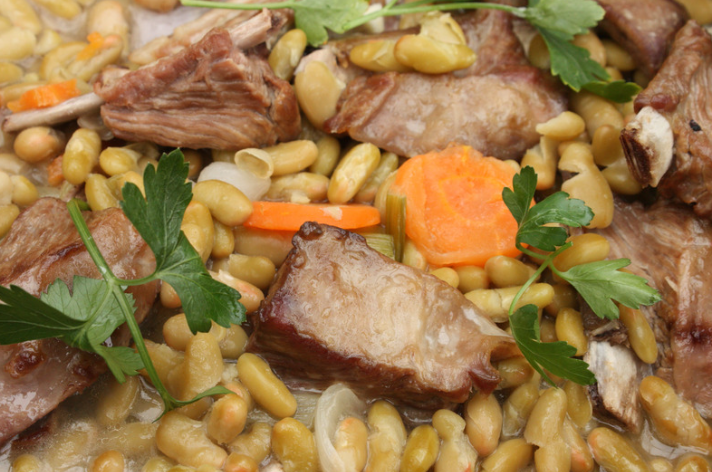
Besides the egg hunt children partake in, Easter is also, much like Christmas, a time for families to join over a copious meal they will keep fond memories of. The traditional Easter meal to eat in France is Agneau pascal: Easter roasted lamb, a dish symbolizing sacrifice and renewal. Moreover, you can be absolutely certain that chocolate will also make its way into this meal.
Popular chocolate brands to consume during the Easter period include Révillon, Lindt, Milka, or Ferrero Rocher: the latter was even nominated as the healthiest supermarket option of the four by the magazine 60 millions de consommateurs. For the occasion, these brands shape the chocolate in the form of eggs, fish, hens or even bells to please local tastes.
So whether you see it as a celebration of Christian history, a family tradition, or just as an excuse to stuff yourself, there is always something to enjoy on this day. Whatever your perspective, it is a day worth enjoying to the fullest.